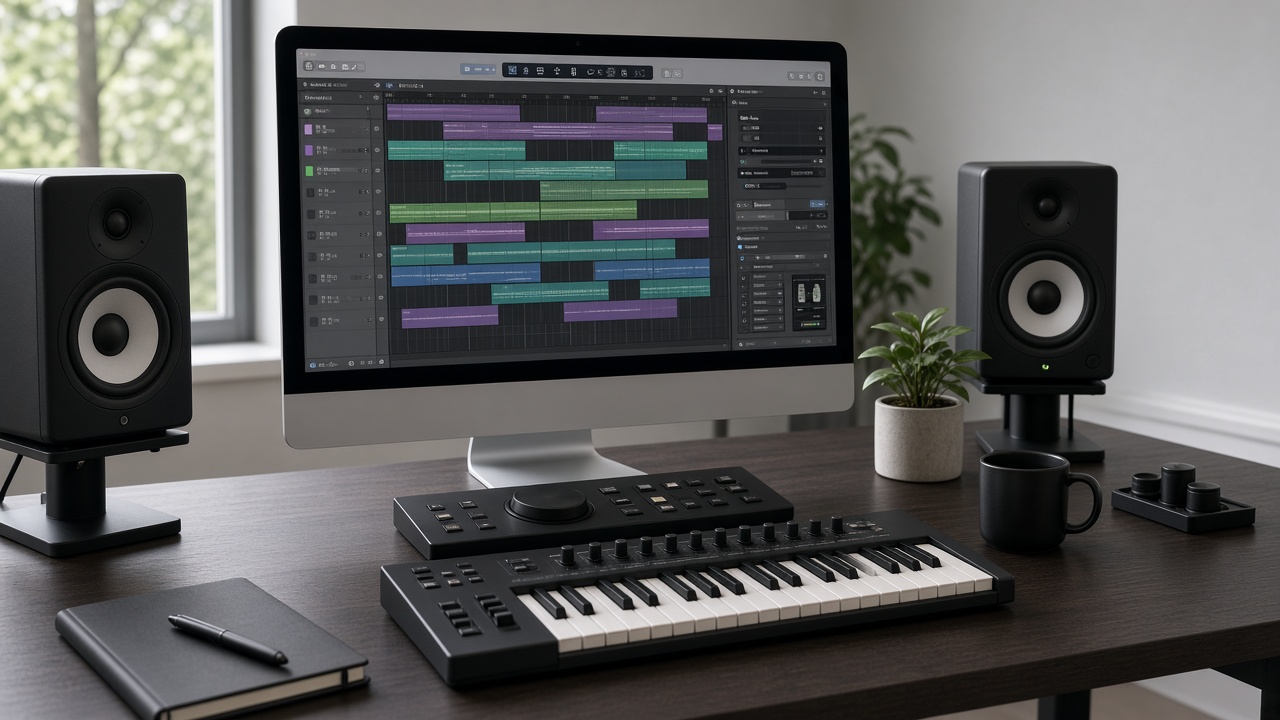
Electronic music production on macOS: what a modern DAW must do
Club tracks, sound-design albums, and hybrid pop all stress the same host features: tight MIDI, deep plugins, stable performance, and workflows that survive collaboration.
Electronic music production on macOS is not a niche corner anymore—it is the default environment for a huge share of independent artists, film composers, and game sound designers. Apple Silicon raised the ceiling on simultaneous instruments; plugin vendors caught up with native binaries; and remote collaboration became part of the creative week, not a disaster contingency. Yet many hosts still optimize for either linear recording or clip performance, leaving hybrids to fight the template.
A modern DAW for electronic work should honor how these producers actually spend hours: programming patterns, automating filters, swapping synth patches, folding vocals into club arrangements, and revisiting structure more often than they print full-band takes. Below is a practical requirement set—not a brand ranking—for what the host should deliver in 2026.
Arrangement-first timeline with performance escape hatches
Most electronic records are built arrangement-first: intro length, drop impact, breakdown texture, last-bar surprises. The timeline must make section edits fast—markers, duplicate ranges, playlist lanes—without punishing users who occasionally want clip-launch performance for DJ edits or live shows. You should not need a second application for every gig-ready tweak, but neither should performance mode hijack the linear mix you are still revising.
Look for hosts that keep MIDI and automation visible while arranging, not buried behind modal editors. Electronic producers edit note clusters and macro lanes in the same breath; context switches kill flow.
MIDI density, grooves, and modulation
Electronic genres live in MIDI: polyrhythmic hats, swung percussion layers, chord stabs with velocity templates. The host needs low-latency input, reliable quantization that you can defeat per region, and copy/paste semantics that respect multiple takes. MPE and per-note expression are no longer exotic; ambient and bass music depend on them.
Modulation must be first-class—LFOs on synths, macro layers, host automation that does not fight plugin internal clocks. When AI assists, it should output into that MIDI/automation world, not bypass it with prerendered audio.
A modern electronic DAW is a modular synth at room scale: routing matters as much as recording.
Plugin hosting that matches your sonic investment
macOS electronic production runs on VST3 and Audio Units: multi-out drums, chainable saturators, convolution reverbs, boutique modular emulations. The host must scan cleanly, report missing dependencies, and preserve PDC when buses widen. Sidechain routing from kick to bass ducking is table stakes, not a power-user Easter egg.
Stock instruments can fill gaps, but identity comes from third-party choices. Any product that traps you in built-ins alone will age out of professional sessions quickly.
CPU, buffering, and Apple Silicon reality
Dense sessions need honest performance tooling: track freeze that is reversible, resampling that keeps provenance, smart freeze on the hosting machine in collaborative setups. Buffer sizes should be adjustable per workflow phase—tracking vocals tighter than mixing a supersaw stack—and the host should not lie about headroom.
Native Apple Silicon support is a baseline in 2026, not a bonus badge. Test your heaviest template before you commit a label workflow to a new host.
Sound design and mix in one document
Electronic producers blur sound design and mix: distortion is composition; filter sweeps are transitions. You need sends that survive project reloads, parallel compression that stays wired, and automation that travels with clips when sections move. Exporting stems for every filter tweak is a sign the host is not keeping up.
Headroom management and clipping discipline still matter even when everything is in-the-box. Visual metering and true peak awareness belong in the same environment where you automate the rave.
Collaboration without bouncing the session to death
Remote co-writes are standard in electronic pop and underground scenes alike. A modern DAW should offer synchronized listening, editable shared timelines, and permissions that protect master chains while letting a partner edit drums. File-only collaboration cannot keep up with how fast these genres iterate.
When AI participates, collaborators must see those edits in history. Silent machine changes are as toxic as silent human ones in a shared session.
Feature checklist for electronic producers
- Fast section editing with markers, playlists, and reliable duplicate ranges.
- Deep MIDI tools, MPE, and automation that stays attached when moving structure.
- Rock-solid VST3/AU hosting with sidechain and multi-out drums.
- Reversible freeze/resample and truthful CPU reporting on Apple Silicon.
- In-box routing deep enough that sound design and mix stay in one project.
- Shared sessions with presence, permissions, and clear plugin parity handling.
- AI that suggests on instrument tracks—not only offline audio renders.
What to avoid confusing with a DAW
Browser song generators, one-click mastering services, and prompt-to-stereo toys can inspire ideas. They are not replacements for a host that holds your arrangement, plugins, and collaboration graph. Electronic albums still ship as multitrack stories with mix intent, not as single files from a black box.
Cuepoint Studio aims at that professional lane: AI-native collaborative DAW for macOS, local engine, serious plugin support, shared sessions, and coproducer assistance inside the project.
Try requirements against your template
Walk through the studio workflow, see how plugins and collaboration fit electronic habits, and load your real template via download before the next release cycle commits you.
Release-cycle habits on macOS
Electronic releases often ship in tighter loops than album-era rock workflows. Build macOS templates that separate writing, sound-design, and mix-prep phases without cloning entire songs. Use markers for “freeze for mastering handoff” and resist the urge to polish drops inside a broken plugin chain because “we are close.” Close should mean structurally complete, not sonically final on a misleading monitor path.
Apple updates land mid-cycle; budget an afternoon to revalidate plugin folders when macOS revisions ship. Keep an archive template on the previous OS point if vendors lag behind validation. Electronic producers lose more days to surprise AU failures than to writer’s block when tours or promo deadlines loom.
Pair local engine work with disciplined exports: streaming masters still leave the building, but arrangement truth stays in the DAW until the label actually needs stems. That discipline keeps EDM, bass, and hybrid pop projects editable when TikTok moments demand a bar-length turnaround.
Bookmark one CPU-heavy stress test session and reopen it after every macOS or plugin vendor update; electronic templates rot quietly when validation is optional.
Favor hosts that let you duplicate arrangement sections without orphaning automation—club edits often arrive as structural surgery minutes before doors.
Renormalize monitor paths seasonally; electronic producers chase brightness and low-end balance aggressively, and template drift without listening audits ships false confidence.
Grid-tight genres punish hosts with sloppy MIDI editing latency; test note entry at your real buffer, not a demo buffer you never use while producing.
Bass weight and transient punch on club systems still start in arrangement dynamics—pick a DAW that keeps micro-timing editable late in the cycle.
Long-session ergonomics on Apple Silicon
Electronic sessions sprawl—hundreds of clips, dozens of buses, multiple stem groups. A modern macOS DAW should remain navigable at 2 a.m.: searchable tracks, sane freeze/unfreeze, and performance that does not punish you for committing to a rich hook. Thermal throttling on a laptop is real; hosts that manage load transparently keep you arranging instead of guessing which plugin silently downsized quality.
Pick tools that reward iteration density. If every experimental layer costs a rendering ritual, you will produce fewer risky ideas—and electronic music lives on risky layers that survive the second listen.
KEEP READING
You might also like
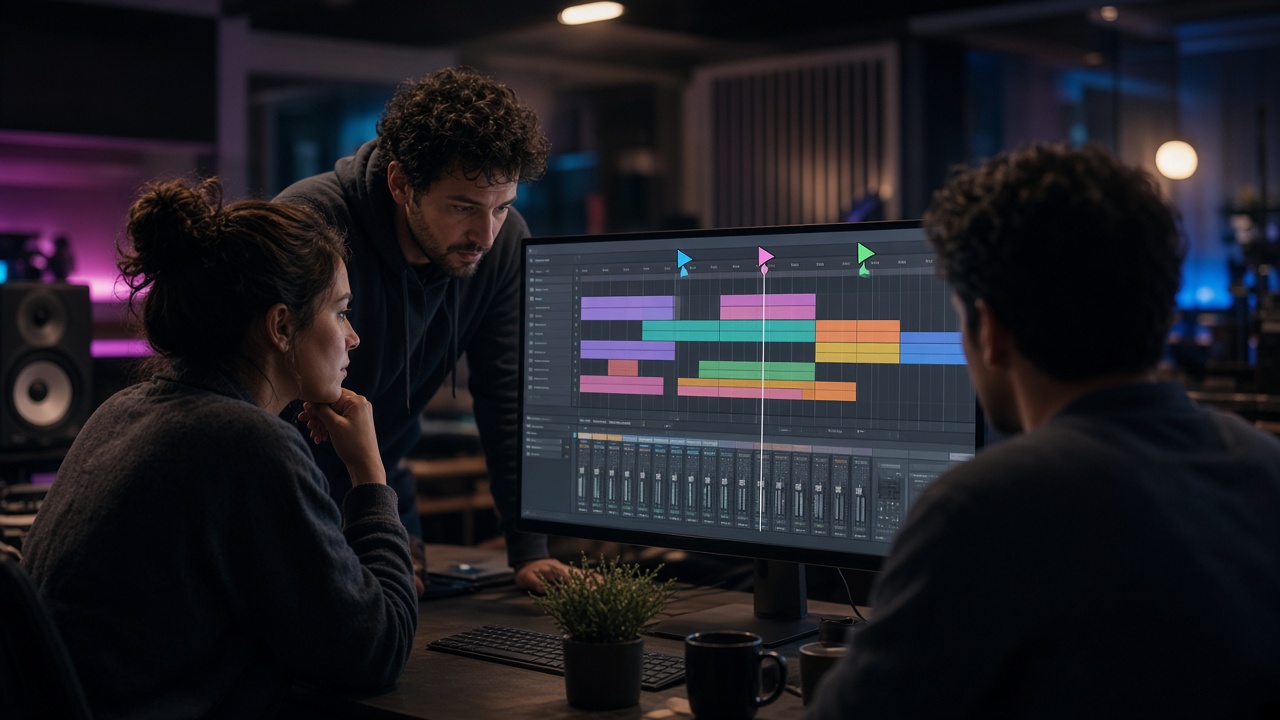
Shared sessions explained: presence, editing, and listening ↗
How collaborative DAWs show who is editing what—and why listening together is different from zero-latency jamming.
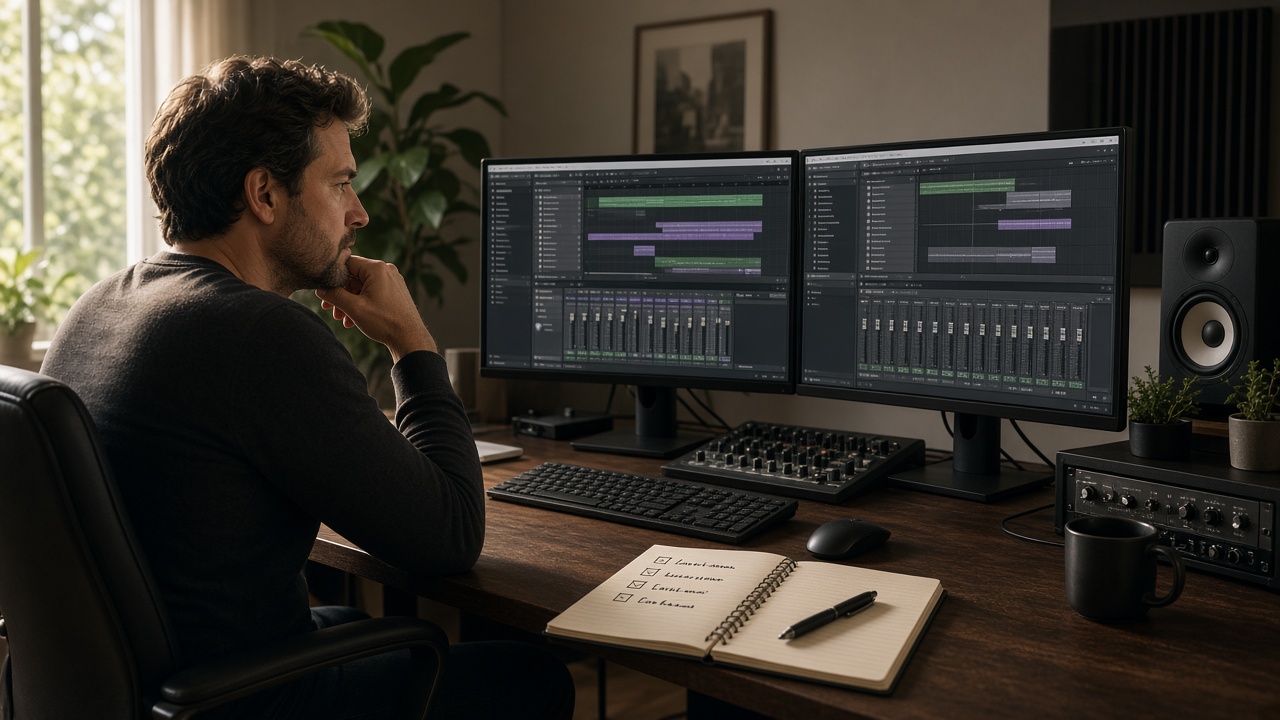
DAW buying guide 2026: local engine, plugins, AI, collab ↗
A checklist for choosing software when AI features and remote collaboration are on the table.
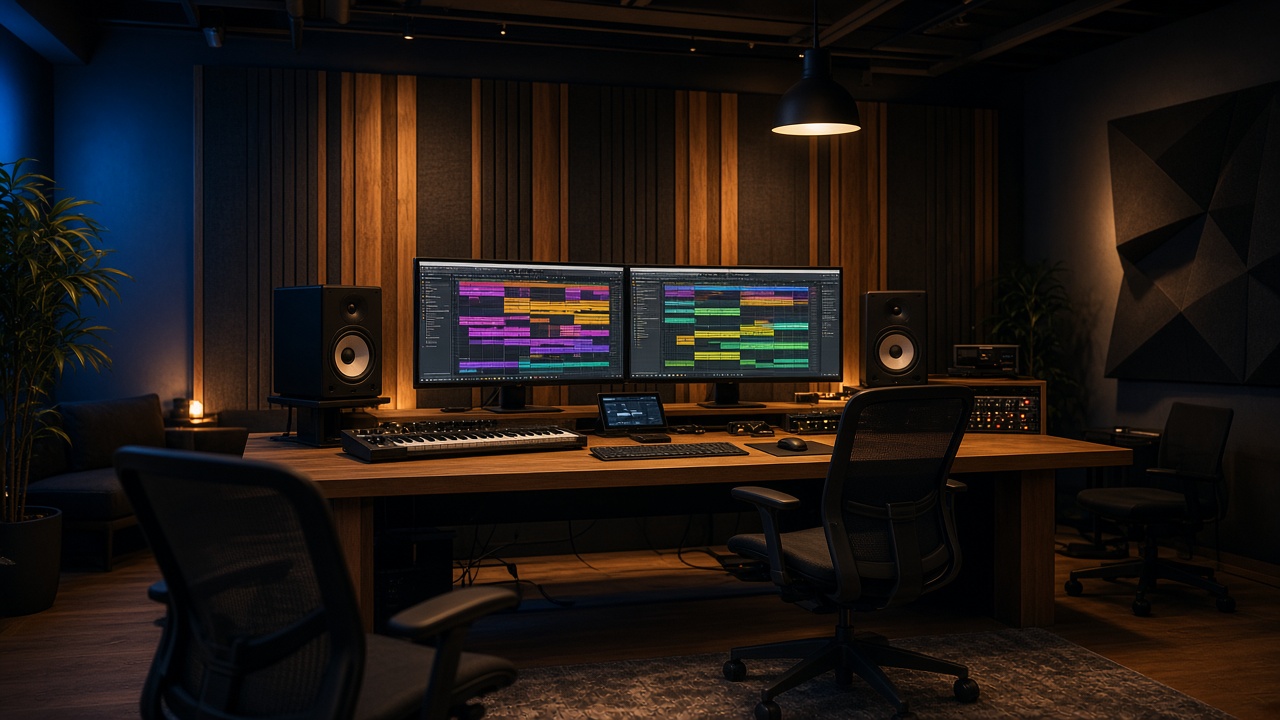
What Cuepoint Studio is (and isn’t) ↗
A professional collaborative DAW with an AI coproducer—not a browser song generator or mastering-only service.